
Rasheed Bolarinwa Identifies What Insurance Industry Must Do To Occupy Its Place In The Nation Economy
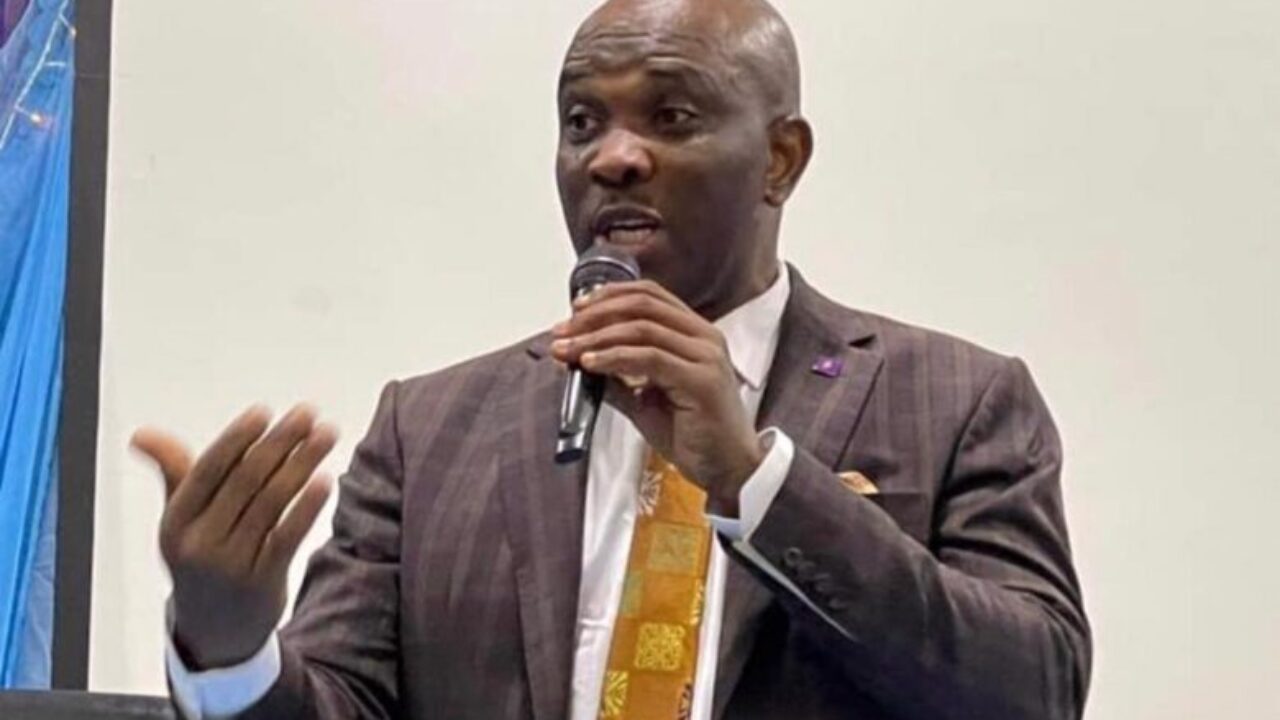
The President of the Association of Corporate Affairs Managers of Banks (ACAMB), Rasheed Bolarinwa has said the insurance industry will only make a meaningful contribution to the nation’s economy when the right approaches are deployed.
Stakeholders in the risk sector must possess the right attitude that guarantees an enviable industry, Mr. Bolarinwa believes.
The communication and marketing expert stated this during a two-day media retreat organized by the Insurance Industry Consultative Council (IICC).
The retreat was held in Ijebu-Ode, Ogun State between Friday, November 25, and Saturday, November 26, 2022
In his keynote paper titled “MEDIA AS CATALYST FOR INSURANCE INCLUSION”, Mr. Bolarinwa said, “Insurance will only take its pride of place as big contributor to the Nation’s Gross Domestic Product (GDP) as it is applicable in other jurisdictions when all stakeholders in the risk ecosystem are deliberate, consistent and methodical in simplifying what insurance is all about in deed and act. First, there must be a unanimity of purpose to bake insurance and make it BIG enough for all to benefit from the expected windfall.”
Bolarinwa, who identified doubts, hostile economy, trust issues emanating from hidden Clauses, poor access to information Technology, weak regulatory framework, lack of skilled personnel and poor awareness as obstacles to having an insurance industry occupying its rightful place as far as contributing to the nation’s Gross Domestic Product (GDP) is concerned, the communication expert suggested there is an urgent and deliberate need to change the story around insurance in Nigeria.
He said “the response that follows the mention of insurance or insurance companies to an average Nigerian is predictable. Negative reaction and lukewarm attitude are the kinds of feeling that comes with an invitation to insurance policies. This informed the low patronage and acceptance of insurance companies operating in Nigeria.
This untoward reaction and attitude by Nigerians may not be unrelated to the poor attitude of the insurers towards the often repeated chorus of refusal to pay claims. Some insurance companies through over time had developed a bad reputation for defaulting in the payment of claims. This unfortunately grew to become a negative public emblem that hanged beside their corporate identities. Invariably, industry and the nation’s depleting GDP are big losers.
At this moment, insurance companies are not willing to invest the premiums in long-term instruments because of the fear of inflation built up over several years due to fiscal indiscipline and high inflation. Everybody knows in economics that short-term investment can only bring lower returns. With these trends, insurance companies will only be able to run on the spot; underwriters would not be able to pay claims. Only a viable economy that has a robust business environment can allow insurance companies to thrive.
Issues of hidden clauses in policy documents which often heightens public suspicion about the insurance business in Nigerians is a cause for concern. And players need to simplify and make insurance more desirable by the general public.
Other key issues affecting the speed of insurance penetration in the country include inadequate access to information Technology, weak regulatory framework, lack of skilled personnel and poor awareness of insurance services by the prospective assured, among other factors.”
Explaning the role of media in deepening insurance inclusion, the brilliant mind maintained “the mass media are vehicles and instruments for the socio-economic transformation and re-engineering of any society. Especially for a developing nation like ours, the media is required and indeed, is fundamental for the penetration of important national agendas.”
“Media is a strategic vehicle for dialogue and acceleration of inclusive growth in any society. The media can continuously set agenda for the public to know more about the importance of insurance and to accept different risk protection values inherent in modern insurance policies.
As an agenda-setting mechanism, the media can be effectively used to change public orientation and achieve a pre-determined objective of making insurance valuable, acceptable by the general public”, Mr. Bolariwa further stated.