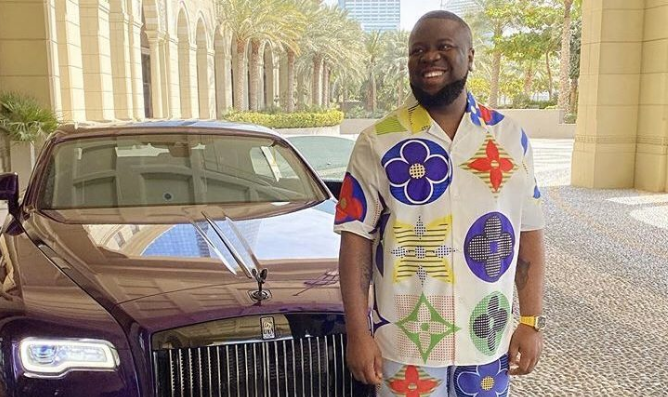

20 Years Jail Term Likely For Hushpuppi As N164bn Cyber Fraud Case Begins In US
A suspected Nigerian internet fraudster, Ramon Abbas, popularly known as Hushpuppi, could get a maximum sentence of 20 years in federal prison if convicted, the U.S. government has said.
Mr Abbas, 37, who was resident in Dubai, was known for living an extravagant lifestyle and flaunting it on social media.
He was arrested recently in Dubai, United Arab Emirates, and extradited to the U.S.
He made his first appearance in a U.S court, Friday morning, in Chicago, according to a press release from the U.S Department of Justice.
He would be transferred to Los Angeles in the coming days, the release said.
An affidavit, alongside a criminal complaint filed in court by the U.S. authorities alleges that Mr Abbas and others used the internet to steal millions of dollars from people and companies.
The American government said Mr Abbas funded his extravagant lifestyle with stolen money.
“The FBI led the investigation of Abbas, and the United States Secret Service was also involved and provided substantial assistance.
“The FBI thanks the government of the United Arab Emirates and the Dubai Police Department for their substantial assistance,” the statement said.
Source: Premiumtimes