
Nigerian Army Launches Affordable Housing Project For Soldiers In Abuja
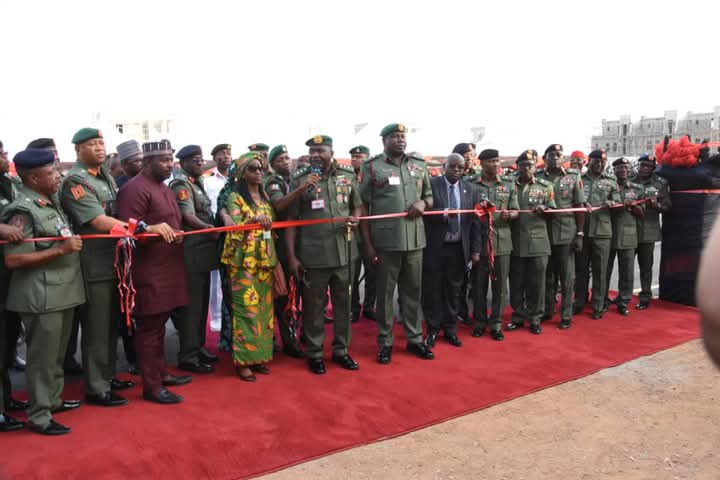
On December 18, 2024, the Nigerian Army officially inaugurated the Affordable Home Ownership Option for All Soldiers (AHOOAS) project in Idu, Abuja. This landmark development features 100 blocks of four flats, providing homes for 400 families. The initiative fulfills a promise by the late Chief of Army Staff (COAS), Lt Gen Taoreed Lagbaja CFR, who ensured that 5% of the housing units were allocated to soldiers wounded in action (WIA).
The event, with Chief of Defence Staff (CDS) General Christopher Gwabin Musa as the Special Guest of Honour, highlighted the Army’s steadfast commitment to the welfare of its personnel. General Musa praised the project as a significant demonstration of the Army’s support for its soldiers and their families. The Chief of Army Staff expressed his pride in carrying forward his predecessor’s vision and reaffirmed his dedication to prioritizing the well-being of troops.
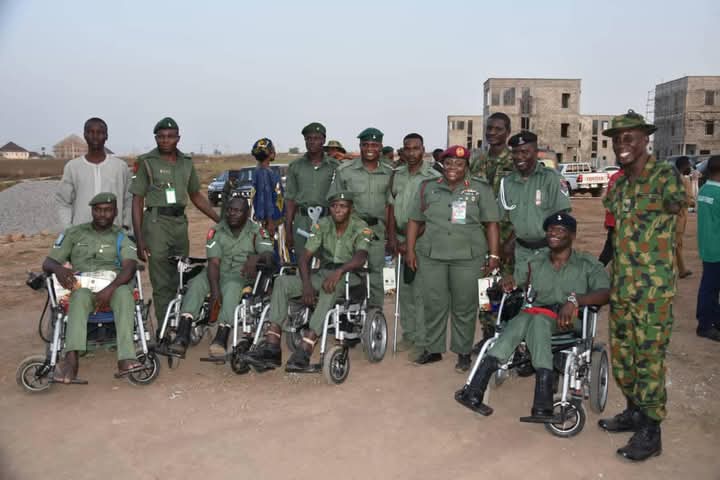
Highlights of the ceremony included the ceremonial handover of keys to WIA soldiers, a guided tour of the housing units, cultural performances, and a group photograph to celebrate the bravery and resilience of the soldiers honored.