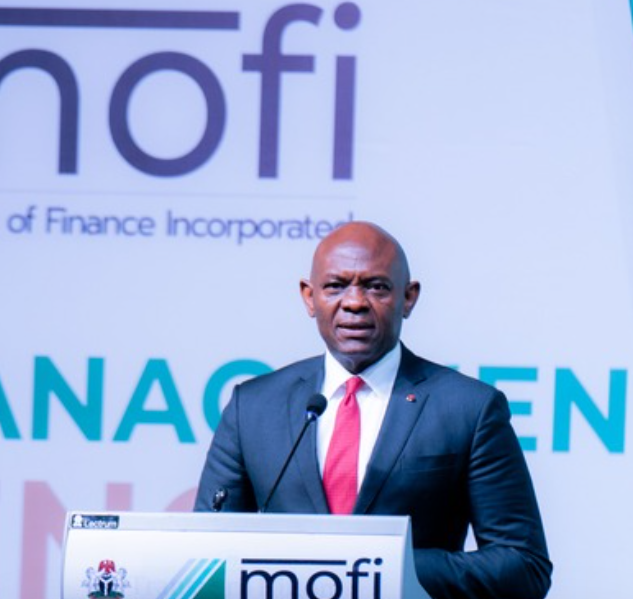

Tony Elumelu Tells How To Unlock Value In State-Owned Assets
Tony Elumelu has revealed what Nigeria must do to unlock values that abound in state-owned assets.
Mr Elumelu, a respected African business leader, is the chairman of Nigerian conglomerates – Heirs Holdings, Transcorp PLC, and United Bank for Africa (UBA).
“There is no rush to see immediate profits; we must have that mindset if we are to fully unlock the value contained within these state-owned assets”, Mr. Elumelu has declared.
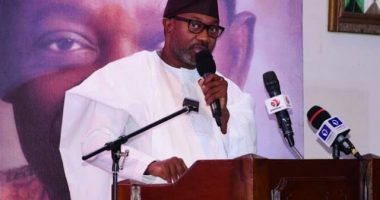
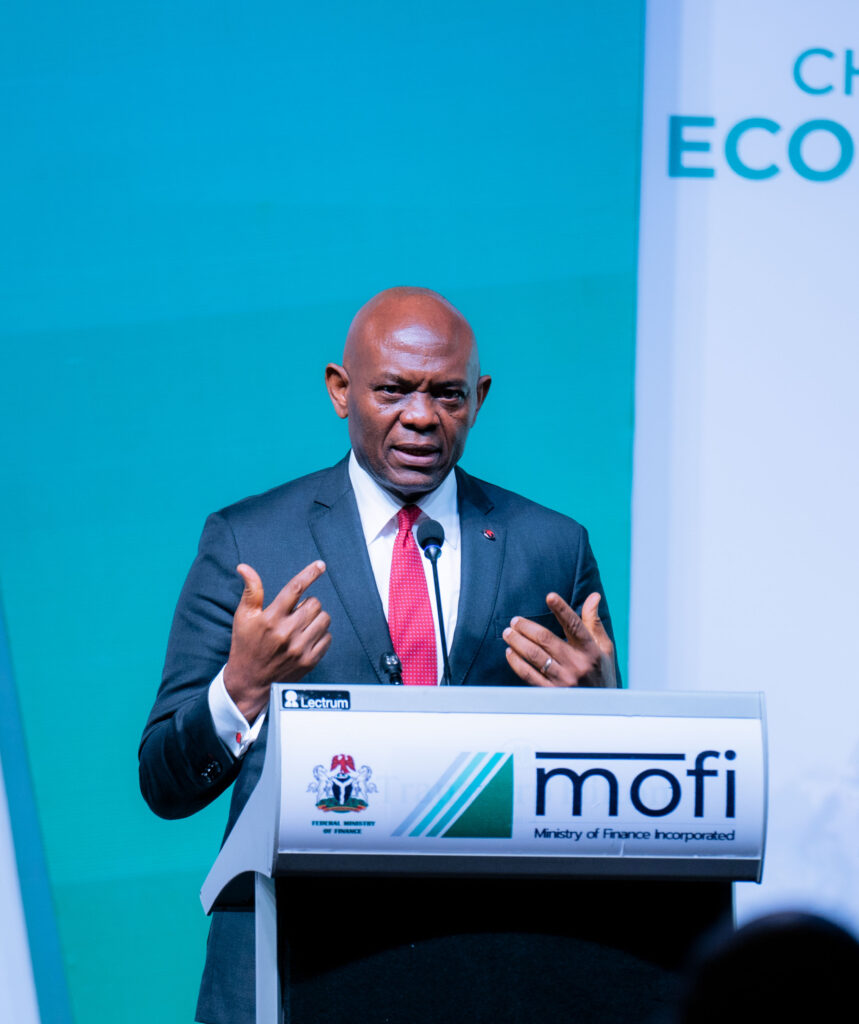
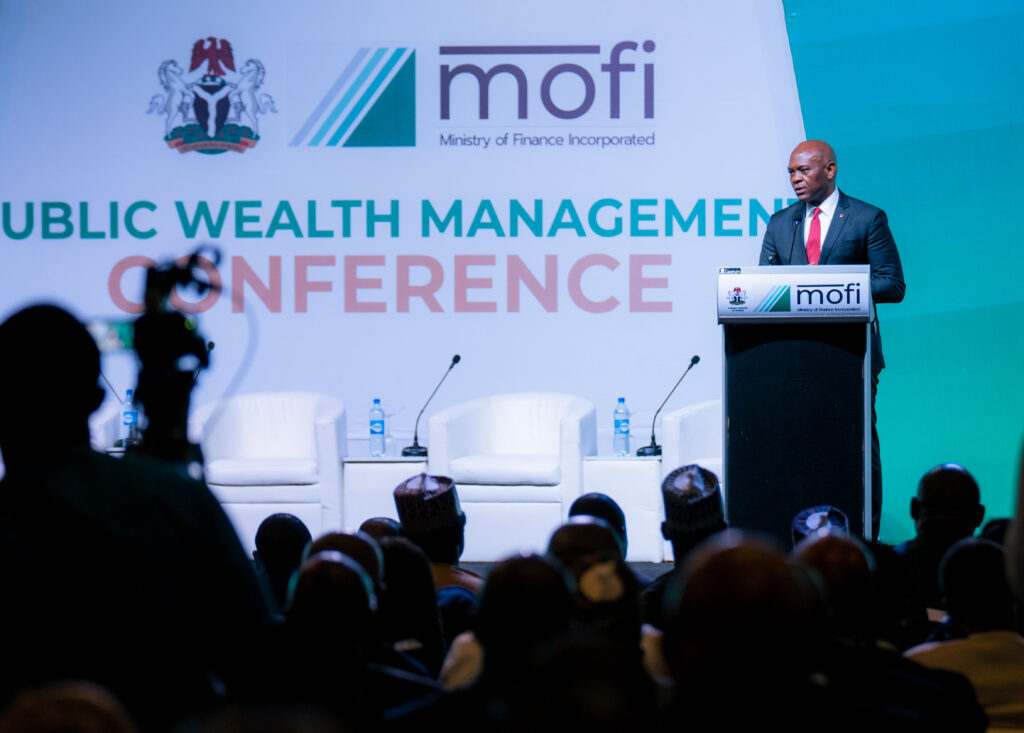
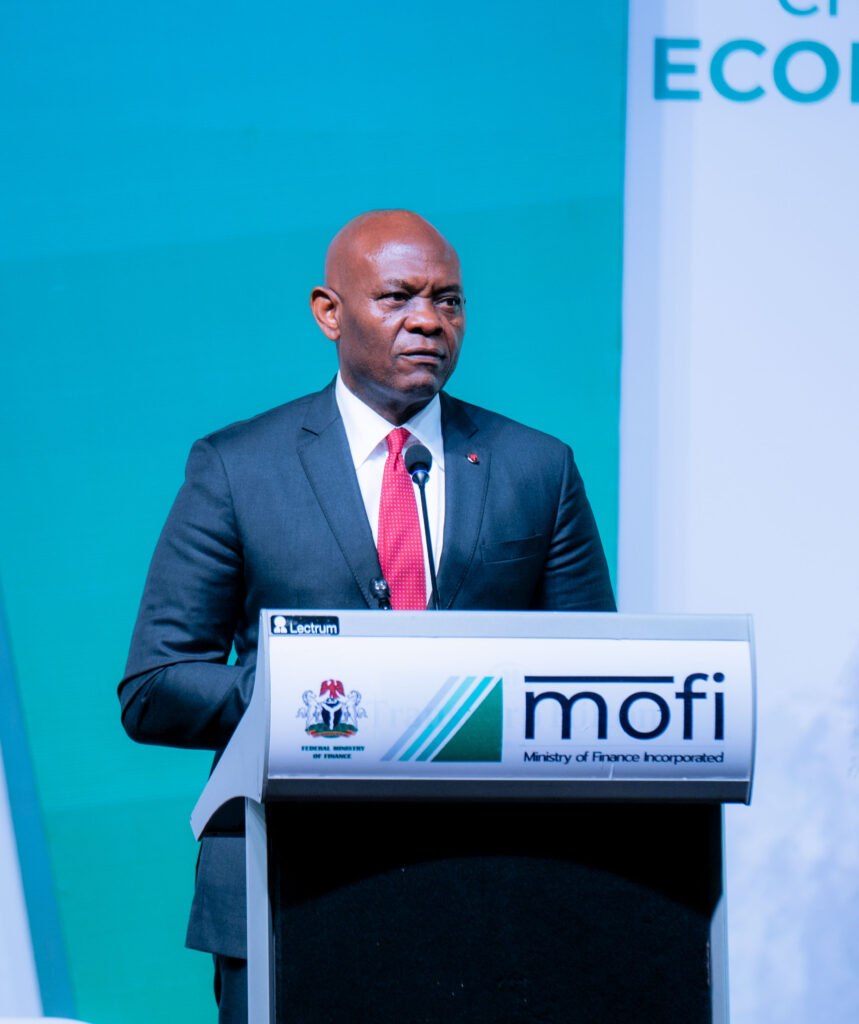
The founder of the Tony Elumelu Foundation disclosed this on Tuesday, February 20, 2024, at the Public Wealth Management Conference organized by the Ministry of Finance Incorporated where he was the guest speaker.
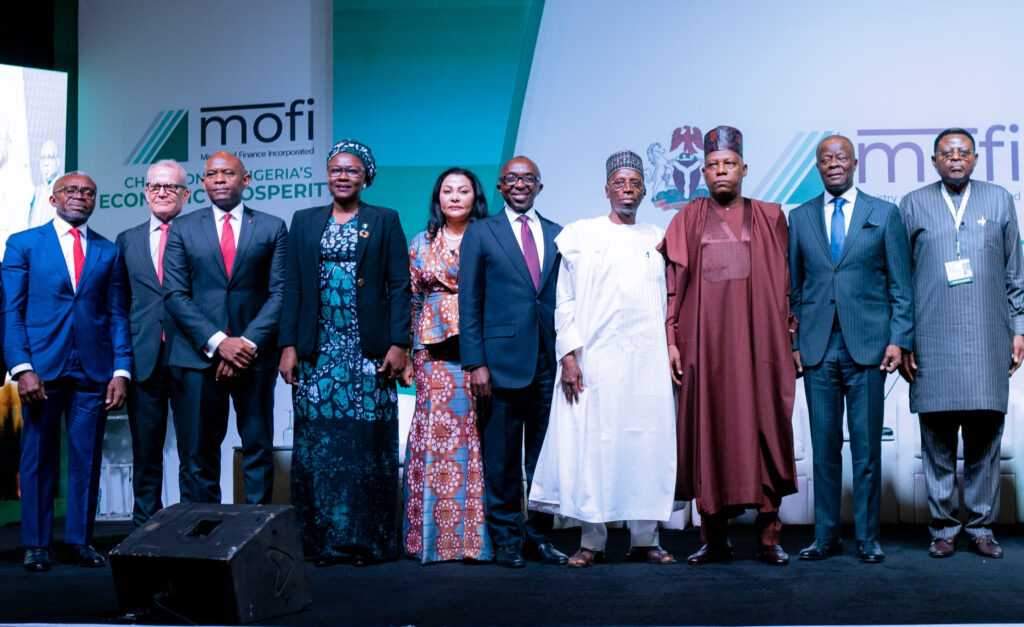
Declared open by the Vice President, Senator Kashim Settima, and themed “Championing Nigeria’s Economic Prosperity”, the conference brings together key players and stakeholders and provides an opportunity “to chart a course that will position MOFI as the strategic institution that will support the Federal Government’s efforts to address economic challenges and drive growth in the Nigerian economy”.
The top banker who identified strategy and execution as very key to unlocking value and getting things right added: “First set the strategic intent, prepare the milestones, know how you will be judged, and then execute, execute, execute – with discipline and always with that strategic intent in focus”.
Telling outstanding story of Heirs Holdings Group – founded in 2010 – Elumelu pointed out, “In our Group, we are known for how to turn around businesses. Our expertise is in unlocking the value in the assets we hold. And our track record speaks for itself.”
The chairman of United Bank for Africa – the financial institution he led after the merger with Standard Trust Bank to become African global bank with presence in 20 African countries, the United Kingdom, France, the United Arab Emirate and the United States advocated Temasek – Singaporean economic policy, established in 1974 with state-owned assets worth $300 million that is valued, as at today, approximately $300 billion – approach to drive growth and value creation in Nigeria.
According to him “Temasek was established with state-owned assets worth $300 million, today those assets are now worth approximately $300 billion.
“How did this happen? In 1974, following independence from the British, the Singaporean government found itself as the owner of a variety of new state-owned enterprises.
“The Singaporean Government felt that it was necessary to separate governance from business management. This stemmed from the principle that it was not the business of the government to operate the businesses it owned.
“This principle led to the establishment of Temasek in 1974 to own and manage the assets held by the Singapore Government. The arrangement allowed the government to focus on its core role of policymaking and regulations.
“Today, Temasek has investments in the strategic sectors of its economy to unlock significant value: Transportation, industrial, financial services, technology, telecommunications, real estate and consumer goods.”
Re-echoing the success story of Heirs Holdings, his family investment company – set up after retiring as UBA Chief Executive Officer – that went ahead to acquire Transcorp, Elumelu explained how clear vision from the onset transformed Trancorp from an enterprise with just Transcorp hotel Abuja to a conglomerate with interest not only in hospitality but also in Power, Oil and Gas sectors of the economy.
He succinctly highlighted the key factors needed to unlock value thus:
Leadership Capacity – Assemble the best in the industry who possess a turnaround mindset to transform the state assets and set performance targets for them.
Create a high-performance environment.
Culture of Excellence – You have to have an improvement mindset, a hunger for operational excellence.
Corporate Governance – Build strong governance structure including a strong board with seasoned private sector professionals and an empowered executive management team. Balance this with non-executives, who bring objectivity and experience.
Risk Management – Continuous review of the operating environment to identify and mitigate emerging portfolio risks.
Non-interference in management.