
What Lagos Govt Is Doing To Enhance Relationship With Tipper Owners For Safer Waterfronts, Better Regulation
In a concerted effort to foster collaborative partnerships for sustainable waterfront development, the Lagos State Ministry of Waterfront Infrastructure Development (MWID) is deepening its engagement with key stakeholders to enhance safety, regulation, and operational clarity across the state’s bustling waterfront communities.
Speaking on Sunday, the Commissioner for Waterfront Infrastructure Development, Dayo Alebiosu, reaffirmed the ministry’s unwavering commitment to creating a sustainable, safe, and well-regulated environment that benefits all residents and stakeholders.
“At the Ministry of Waterfront Infrastructure Development, we remain committed to fostering collaborative partnerships with all stakeholders to ensure a sustainable, safe, and well-regulated environment across our waterfront communities,” Alebiosu declared. “Together, we can build better.”
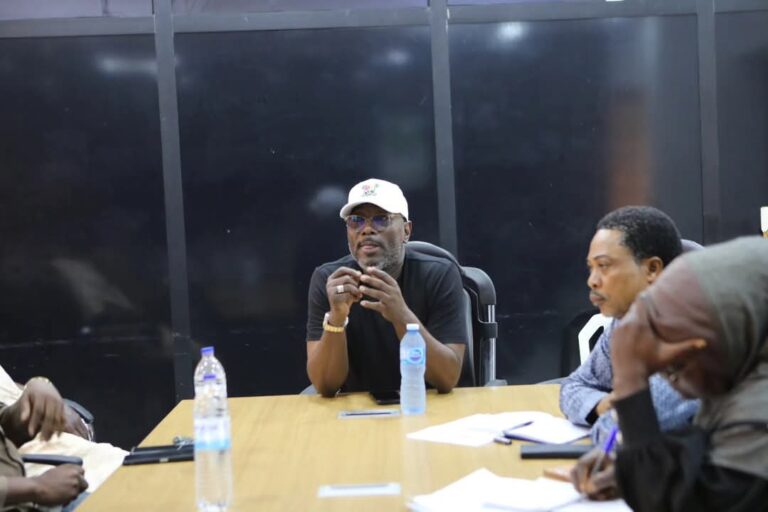
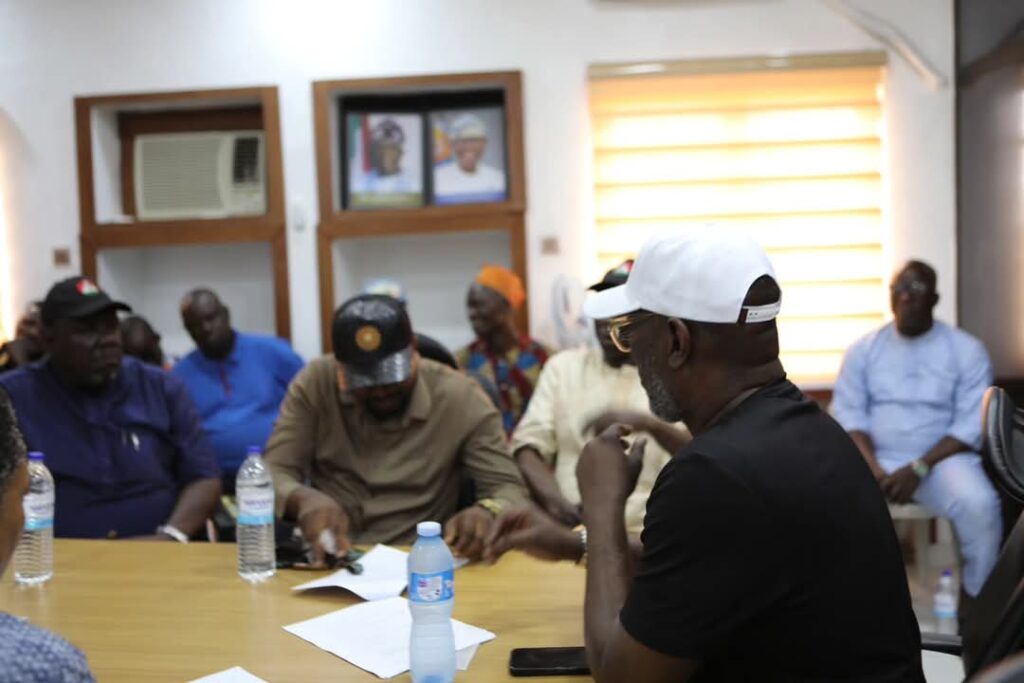
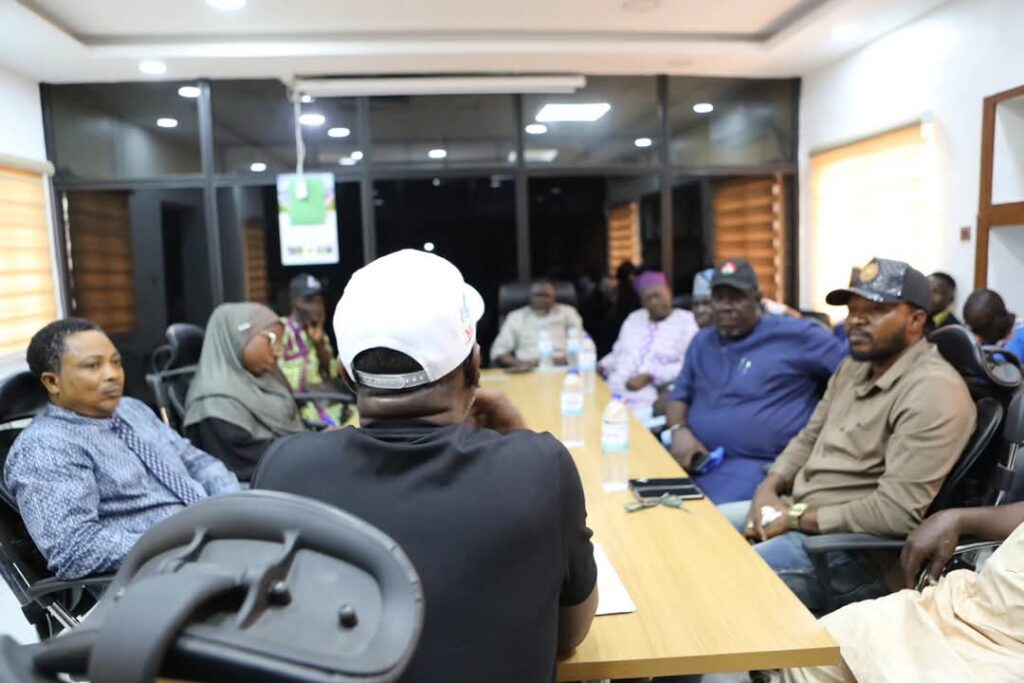
Highlighting recent efforts, Alebiosu disclosed that the ministry recently held a fruitful stakeholder engagement with the Association of Tipper Owners of Nigeria—a group integral to the logistics and construction sectors operating within Lagos’ waterfront areas.
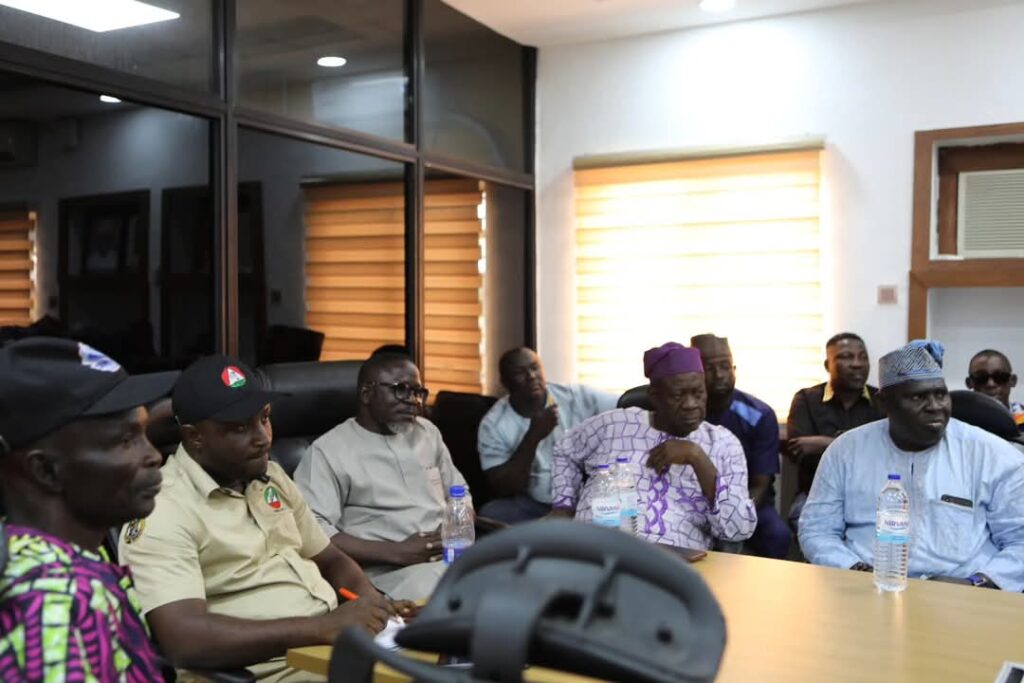
The discussions centered on the importance of proper regulation within the tipper operations sector, aiming to streamline activities while safeguarding both the environment and the livelihoods of local communities.
“Our discussions focused on the need for proper regulation in the sector,” Alebiosu explained. “We also provided much-needed clarity on the mandates of the ministry as they relate to their operations.”
The tipper operators, whose activities are critical to the supply of sand and other construction materials across Lagos, have long been a part of the state’s vibrant waterfront economy.
However, their operations can also pose significant challenges, including environmental degradation, unsafe practices, and regulatory gaps that can threaten both livelihoods and community safety.
According to Alebiosu, the engagement session was a step toward bridging these gaps. By fostering open dialogue and partnership, the MWID aims to build trust and shared responsibility among stakeholders, ensuring that waterfront communities thrive in a manner that is both environmentally sustainable and economically productive.
“This engagement is part of our ongoing efforts to co-create solutions with our stakeholders,” Alebiosu emphasized. “We are not just regulators; we are partners in development, and we believe that by working together, we can build a better and safer waterfront environment for all.”

As Lagos continues its rapid urbanization, waterfront communities play a critical role in the city’s growth. The Ministry of Waterfront Infrastructure Development remains steadfast in its mission to support these communities, balancing development with the imperative of environmental stewardship and safety.
With continued collaboration, Lagos’ waterfronts are set to become models of sustainable growth, proving that partnership—not conflict—drives lasting development.